





Call us now:
Monday – Friday: 8:00am – 6:00pm; Saturday: 08:00am – 12:00pm; Sunday: Closed
Call us now:
Victorian and Edwardian homes are some of the most desirable properties in Bromley and across South East London.
They offer character, solid construction and architectural features that are difficult to find in modern developments. But after working on period properties for many years, I’ve learned that what lies beneath the floorboards is often a very different story.
Many homeowners assume that if a property looks modern on the surface, the plumbing must have been updated too. In reality, some of the most expensive problems I encounter are hidden from view and can remain undiscovered for years.
In fact, around 20-30% of the work we carry out involves period properties, and many of the same issues appear time and time again.
Here are some of the hidden plumbing problems we regularly uncover in Victorian and Edwardian homes, and what homeowners should know before they become costly repairs.
In the UK, Victorian homes were built during the reign of Queen Victoria (that’s between 1837 and 1901 for history phobes like me), while Edwardian homes were built during the reign of King Edward VII (between 1901 and 1910 -although many properties constructed up to the start of the First World War are often described as Edwardian).
Victorian homes are generally recognised by their terraced layouts, decorative brickwork and compact room sizes, while Edwardian properties often feature larger rooms, wider hallways and more natural light.
Across Bromley and South East London, many of these period homes remain highly sought after. However, although their character has stood the test of time, the plumbing hidden beneath their floors and behind walls is often much older than homeowners realise.
Unlike modern homes, Victorian and Edwardian properties have often been altered, extended and renovated multiple times over several decades.
A bathroom installed in the 1940s, may have been updated again in the 70s and 90s, and partially modernised more recently. As a result, it’s common to find a patchwork of old and new plumbing systems working together behind the scenes.
The challenge isn’t always what you can see. It’s what you can’t.
The most common issue I see in older homes is hidden lead pipework.
Many homeowners are surprised to discover that although visible plumbing inside the property has been replaced with copper, the original lead supply pipe may still be lurking underground. In some cases, the pipe supplying drinking water from the street to the property is still lead.
Because these pipes are usually hidden, homeowners often have no idea they’re there until a leak develops or renovation work exposes them.
Aside from concerns about water quality, older lead pipework can also contribute to flow and pressure issues and may eventually require replacement as part of wider upgrade work.
One of the things that makes plumbing in period homes particularly unpredictable is the mixture of materials that have accumulated over time.
It’s common to find:
Often these alterations have been carried out by different tradespeople over many years. Everything may appear perfectly fine until a leak develops and floorboards need to be lifted. That’s usually when the full history of the property’s plumbing starts to reveal itself.
Many Victorian and Edwardian homes originally relied on gravity-fed water systems.
These systems typically use cold-water storage tanks in the loft and a hot water cylinder elsewhere in the property. Water pressure is generated by gravity rather than mains pressure. While these systems can still function effectively, they often struggle to meet the demands of modern bathrooms.
If you’ve ever wondered why your shower pressure feels disappointing despite replacing the shower itself, the plumbing system behind it may be the real culprit.
Without a proper plumbing assessment, many homeowners end up replacing fixtures when the underlying issue is actually the design of the original system.
When inspecting older properties, I always pay attention to any water tanks located in loft spaces.
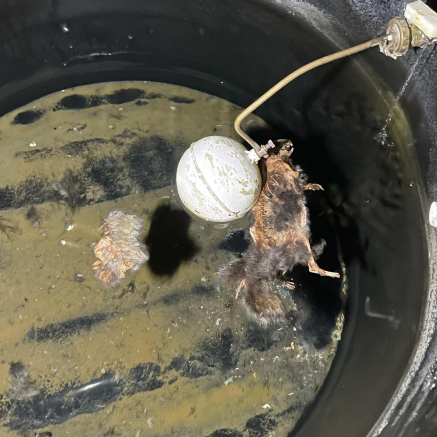
Many have been replaced or upgraded over the years, but occasionally we still encounter older installations that haven’t been properly maintained or sealed. One of the more unusual discoveries I’ve made was finding a squirrel inside a water tank.
Thankfully that’s not something we come across every day, but it highlights why older tanks should be inspected periodically and kept properly covered and protected.
Not every plumbing problem in an older home is actually old. Some of the biggest issues arise from DIY repairs carried out years earlier.
One common example is the use of incorrect push-fit fittings. Many homeowners don’t realise that push-fit fittings are designed for specific pipe types. Using the wrong fitting on the wrong pipe can create a connection that appears secure initially but may eventually fail.
By the time the leak becomes visible, damage may already have occurred beneath floors or behind walls.
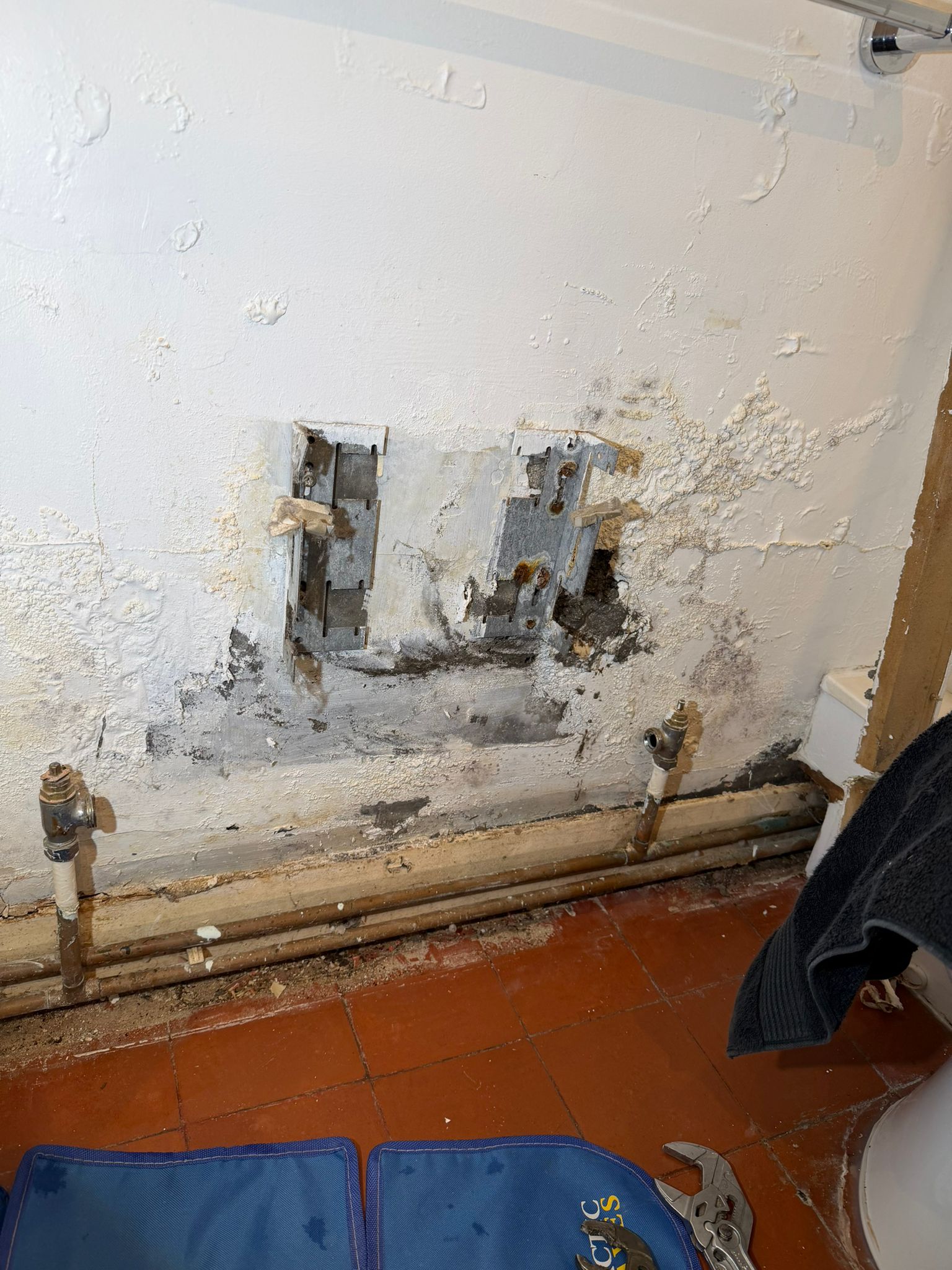
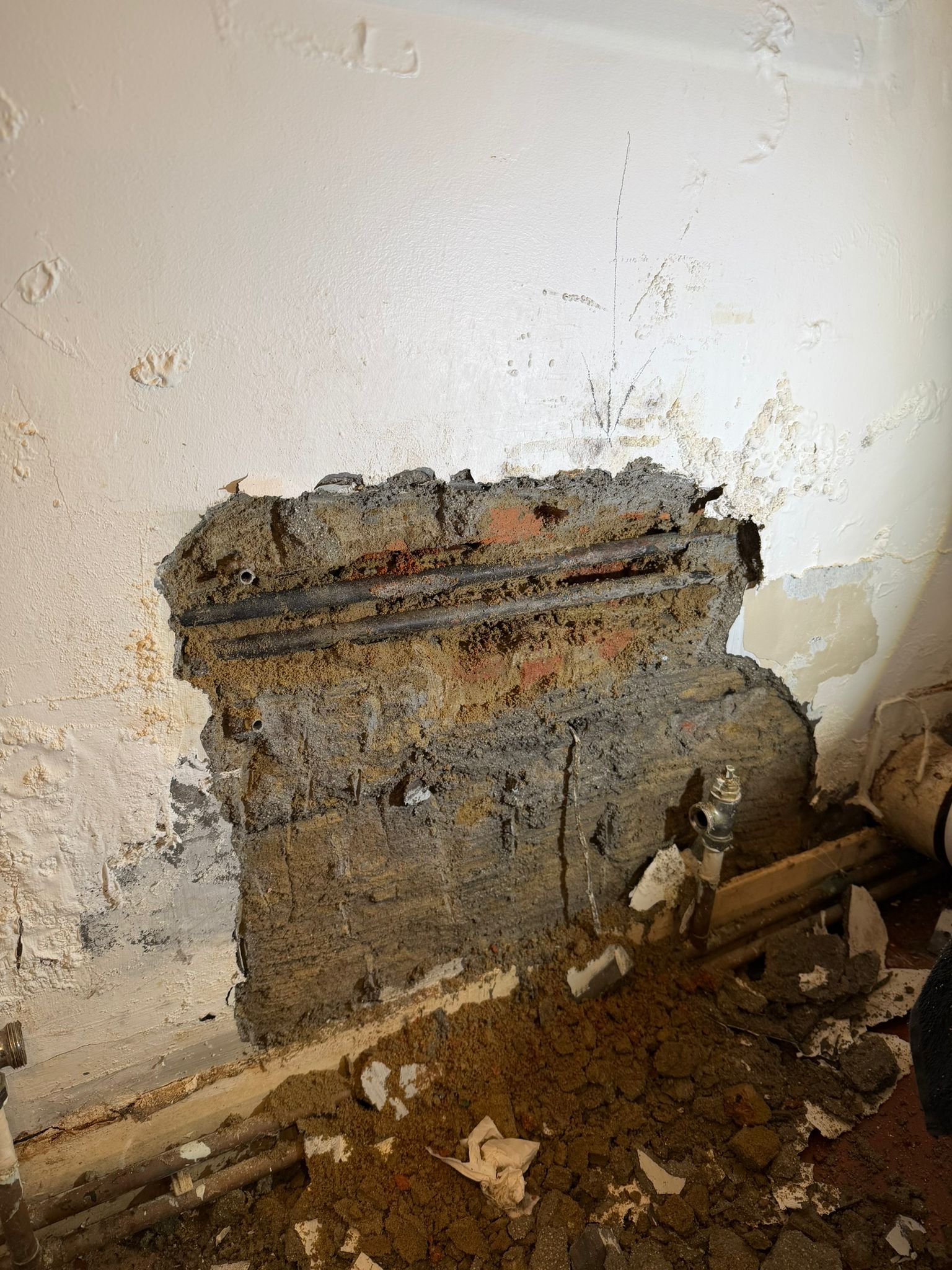
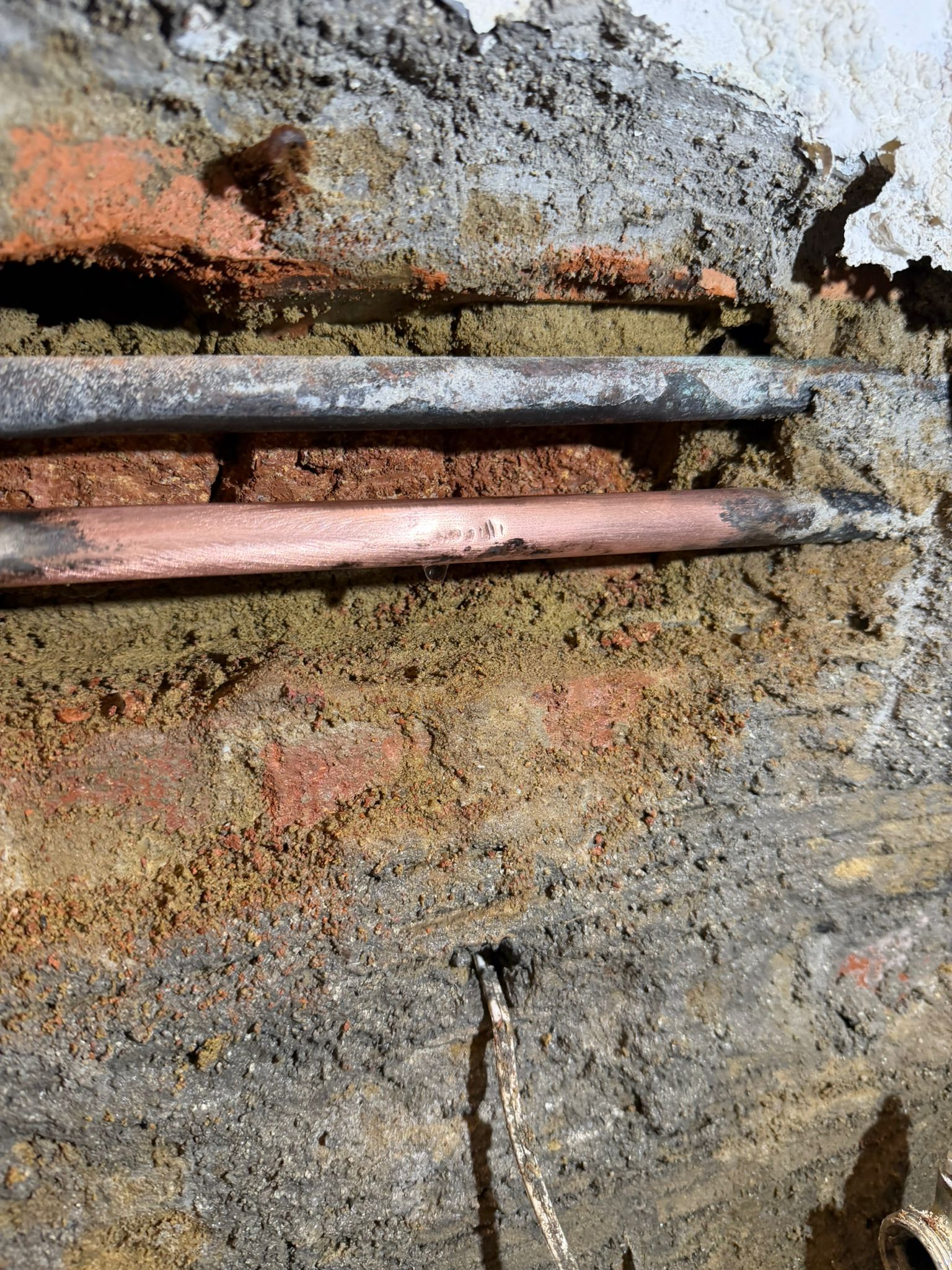
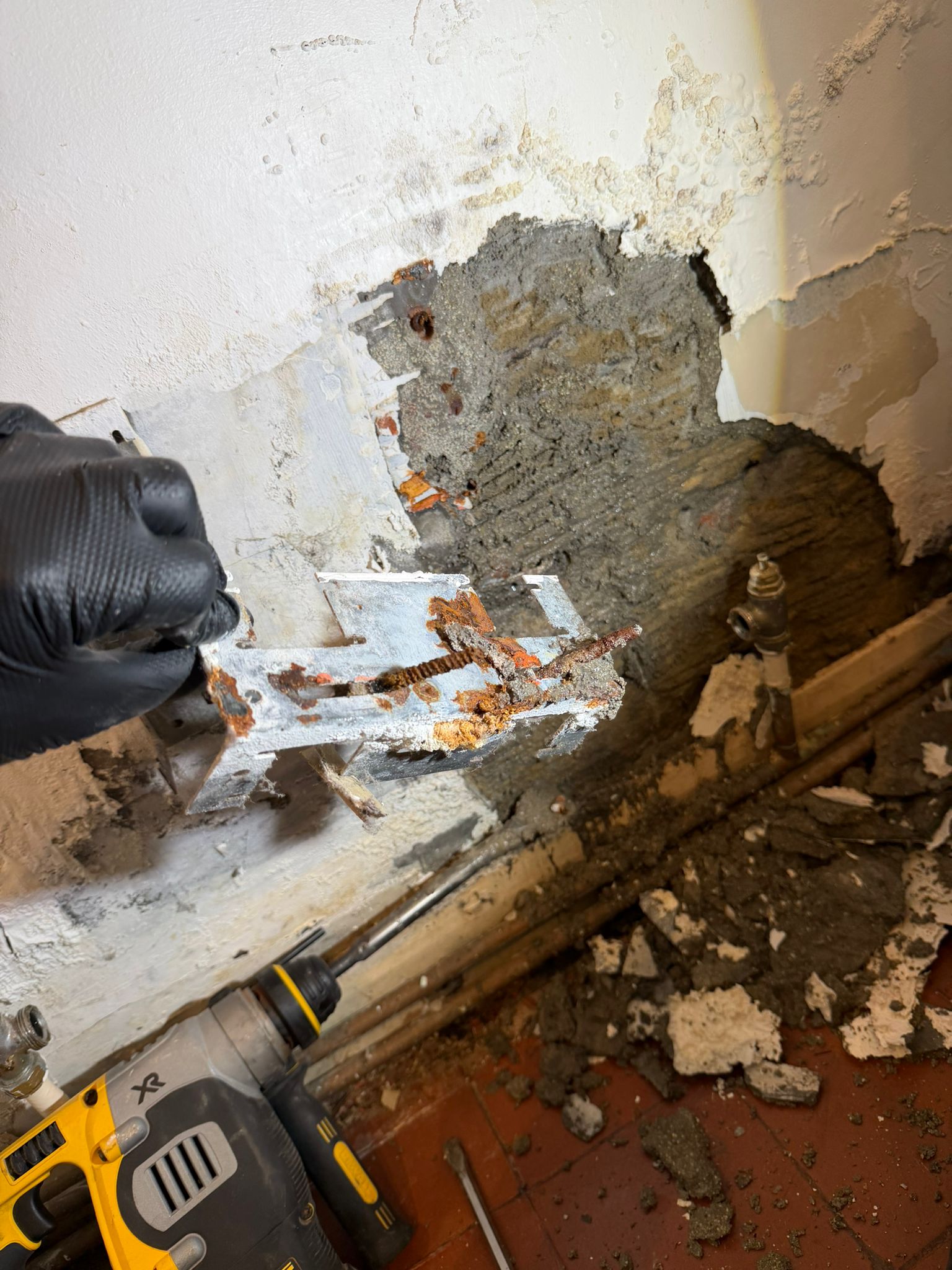
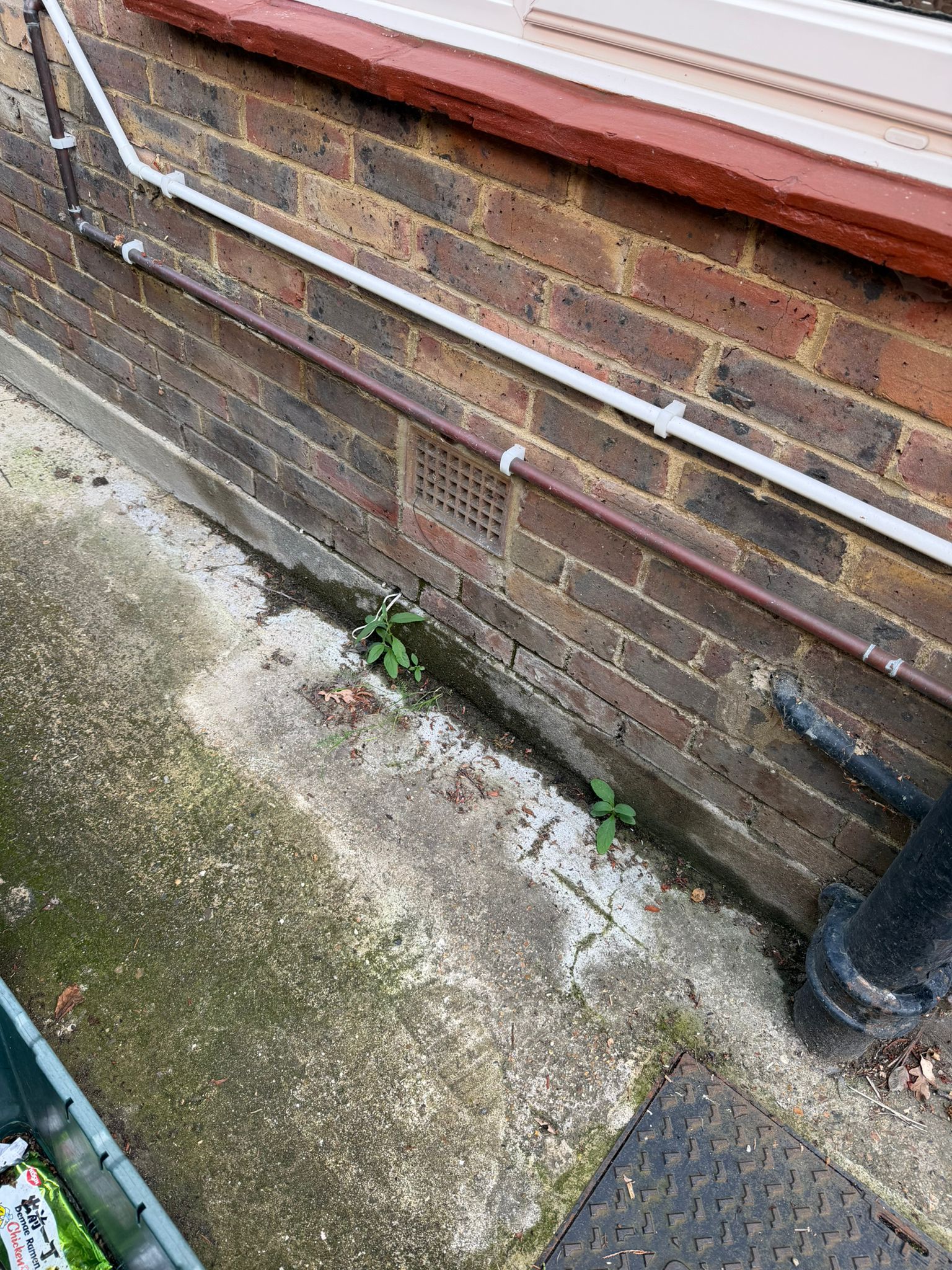
I’ve also seen copper pipework embedded directly into concrete without proper protection or sleeving like the example wall leak repair one of our engineers carried out recently in the pictures below. Over time, the concrete can attack the copper, eventually causing leaks that are extremely difficult to locate and repair:


The most expensive plumbing jobs are rarely the ones caused by sudden failures. They’re usually the slow leaks that nobody notices.
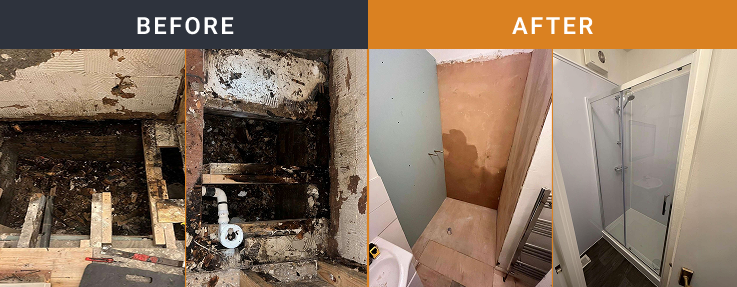
We recently worked on a property where what initially appeared to be a relatively straightforward shower leak turned out to be far more serious. Once the shower was removed, we discovered extensive rot within the surrounding structure.
What began as a modest repair quickly escalated into a much larger project involving additional building work and structural repairs. It ended up costing around £5,000.
The lesson is simple…small leaks rarely stay small.
One recent call-out involved a homeowner who believed they had a leak somewhere beneath their property.
As they began lifting floorboards to investigate, they discovered something far worse. A toilet installed by a previous contractor had never actually been connected to the drainage system.
Instead, the waste pipe had simply been pushed beneath the floor. The homeowner had unknowingly been flushing the toilet while waste accumulated beneath the property.
It’s one of the most extreme examples I’ve encountered, but it illustrates an important point: never assume previous work was carried out correctly simply because everything appears to function normally.
Unfortunately, we occasionally uncover plumbing installations that would never meet modern standards.
If I were purchasing a period property myself, there are several things I would always investigate:
Victorian and Edwardian homes can be fantastic properties to own, but their plumbing systems often tell a much longer story than the décor suggests.
Over the years I’ve found everything from hidden lead pipework and ageing gravity-fed systems to failed DIY repairs and even a toilet that wasn’t connected to a drain at all.
The key is not to assume that because a property looks modern on the surface, the plumbing beneath it is equally up to date.
A proper inspection can often reveal hidden issues before they become major problems and potentially save thousands of pounds in repair costs later on.
Founder & Managing Director, Bromley Plumbers
Bromley Plumbers is a trusted plumbing and drainage company serving Bromley, Beckenham, Sidcup, Croydon, and surrounding areas. Founded in 2017 by Jack Cox, the company focuses on reliable domestic and commercial plumbing services, from installations and repairs to unblocking drains. With a dedicated team of skilled engineers, Bromley Plumbers is committed to quality workmanship, local expertise, and excellent customer service.
For immediate assistance with block drains in Brockley, get in touch Our certified engineers offer prompt, efficient service for all drainage issues. call us on 0208 050 2707
18 Addington Road,
West Wickham, BR4 9BS
Monday – Friday 8:00am – 6:00pm
Saturday – 08:00am – 12:00pm
Sunday – Closed
Copyright © 2026 by Bromley Plumbers Ltd. All rights reserved. Website managed by Make Me Local.